
Movement After 60: Staying Strong, Mobile and Energised
Updated: Mar 26
As we grow older, our relationship with movement often changes. Work routines shift, the body feels different, and everyday life may become less physically demanding than it once was. Yet movement becomes more important, not less, as we age.
Regular physical activity is one of the most powerful ways to support health after 60. It helps maintain strength, balance, mobility, and energy while reducing the risk of many chronic diseases. Perhaps most importantly, movement supports independence and the ability to continue doing the things we enjoy, from travelling and gardening to playing with grandchildren or simply walking comfortably through daily life.
The encouraging news is that staying active does not require intense exercise or athletic ability. Small, regular movements built into daily routines can produce significant benefits. With the right approach, movement can remain safe, enjoyable, and sustainable well into later life.

Why Movement Matters More As We Age
Ageing is a natural biological process, but some of the physical changes associated with ageing are strongly influenced by lifestyle.
From around the age of 40 onwards, most people begin to lose small amounts of muscle mass each decade. This process, known as sarcopenia, can gradually lead to reduced strength and mobility if not addressed. Bone density may also decline, increasing the risk of fractures later in life.
However, research shows that regular movement can slow or even reverse many of these changes.
Physical activity helps to:
maintain muscle strength
preserve bone density
support joint mobility
improve balance and coordination
protect heart health
regulate blood sugar levels
In other words, movement helps the body maintain the functions that allow us to live independently and confidently.
Movement and Heart Health

Cardiovascular disease remains one of the most common health concerns in later life. Regular physical activity is one of the most effective ways to support heart health.
When we move, our heart rate increases, improving circulation and strengthening the heart muscle.
Over time, this helps the heart pump blood more efficiently throughout the body.
Regular activity can also help:
lower blood pressure
improve cholesterol levels
reduce inflammation
support healthy weight management
Even moderate activity such as brisk walking can produce meaningful cardiovascular benefits.
Studies have consistently shown that people who remain physically active in their later years have lower risks of heart disease and stroke compared with those who are sedentary.
Strength: A Key to Independence
Strength becomes increasingly important with age. Strong muscles support joints, protect bones, and allow us to perform everyday tasks with ease.
Activities such as climbing stairs, carrying groceries, standing up from chairs, and maintaining balance all rely on muscle strength.

Without regular use, muscles gradually weaken. However, the body retains a remarkable ability to respond to strength training even later in life.
Simple exercises such as:
bodyweight squats
gentle resistance band exercises
light weight training
step-ups or stair climbing
can help maintain and improve muscle strength.
Strength training two or three times per week can significantly support mobility and independence.
Balance and Fall Prevention

Falls are a common concern for many older adults, and maintaining balance becomes increasingly important with age.
Balance relies on several systems working together, including muscles, joints, vision, and the inner ear. Regular movement helps keep these systems functioning effectively.
Exercises that support balance include:
standing on one leg
gentle yoga or tai chi
walking on uneven ground such as grass or trails
strength exercises for the legs and core
Improving balance reduces the risk of falls and increases confidence in everyday movement.
The Mental Benefits of Movement
Movement is not only beneficial for physical health. It also supports mental wellbeing and cognitive function.
Physical activity increases blood flow to the brain and stimulates the release of chemicals that support brain health. These include endorphins, which help improve mood, and brain-derived neurotrophic factor (BDNF), which supports learning and memory.
Regular movement has been linked to:
improved mood
reduced stress
better sleep
improved concentration
lower risk of depression
For many people, a daily walk or light exercise session can provide both physical and emotional benefits.
The Four Types of Movement for Healthy Ageing
A balanced approach to movement usually includes four key elements.
1. Cardiovascular Activity
Activities that increase heart rate help maintain cardiovascular health.
Examples include:
walking
cycling
swimming
dancing
Walking is one of the most accessible forms of cardio and can easily be incorporated into daily routines.
2. Strength Training
Strength exercises maintain muscle mass and support joint stability.
Examples include:
bodyweight exercises
resistance bands
light weights
Even simple exercises performed at home can help maintain strength.
3. Mobility and Flexibility
Stretching and mobility exercises maintain joint range of motion and help reduce stiffness.
Gentle activities such as:
stretching
yoga
mobility routines
Even gentle, basic movements can help maintain comfortable movement throughout daily life.
4. Daily Activity
Not all movement needs to be structured exercise.
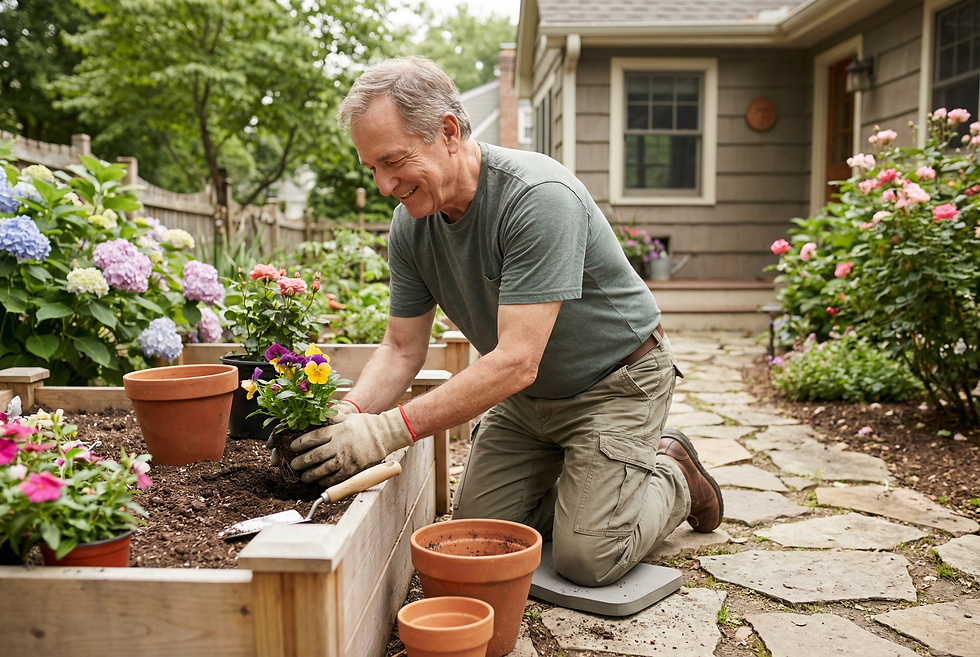
Everyday activities such as:
gardening
walking to the shops
household tasks
climbing stairs
all contribute to overall activity levels.
These small movements accumulate throughout the day and support overall health.
A Simple Weekly Movement Plan
For many people over 60, a balanced weekly routine might look something like this:
Most days: A walk for 20 to 40 minutes.
Two to three days per week: Simple strength exercises.
Two or three short sessions per week: Stretching or mobility work.
The key is consistency rather than intensity. Short, regular sessions are often more beneficial than occasional strenuous activity.
Starting Safely
If you are returning to activity after a long period of inactivity, it is sensible to start gradually.
A few helpful guidelines include:
begin with gentle activities such as walking
increase duration gradually
focus on good posture and controlled movements
allow time for rest and recovery
If you have existing medical conditions or concerns, consulting a healthcare professional before starting a new exercise routine may be advisable.
Making Movement Enjoyable
Movement is far easier to maintain when it is enjoyable. Some people prefer structured exercise classes, while others enjoy walking in nature, swimming, cycling, or dancing.
Social activities can also help maintain motivation. Walking with friends, joining community classes, or participating in group activities can make movement both enjoyable and sustainable.
The goal is not to find the perfect routine but to discover activities that you look forward to doing regularly.
Small Daily Steps

Perhaps the most important message is that movement does not have to be dramatic to be effective.
Small daily actions such as walking more often, stretching regularly, strengthening the body gently, and reducing time spent sitting will gradually build strength, mobility, and resilience.
Over time these small habits accumulate into meaningful improvements in health and wellbeing.
The human body responds remarkably well to consistent movement at any age.
Final Thoughts
Ageing is inevitable, but how we age is influenced strongly by the habits we maintain.
Movement remains one of the most powerful ways to support health, independence, and vitality after 60. By staying active in simple and sustainable ways, it is possible to maintain strength, mobility, and confidence for many years to come.
It does not require extreme training or dramatic lifestyle changes. Often, it begins with something as simple as a daily walk; a small step that gradually leads to a healthier, stronger, and more active life.


Comments